

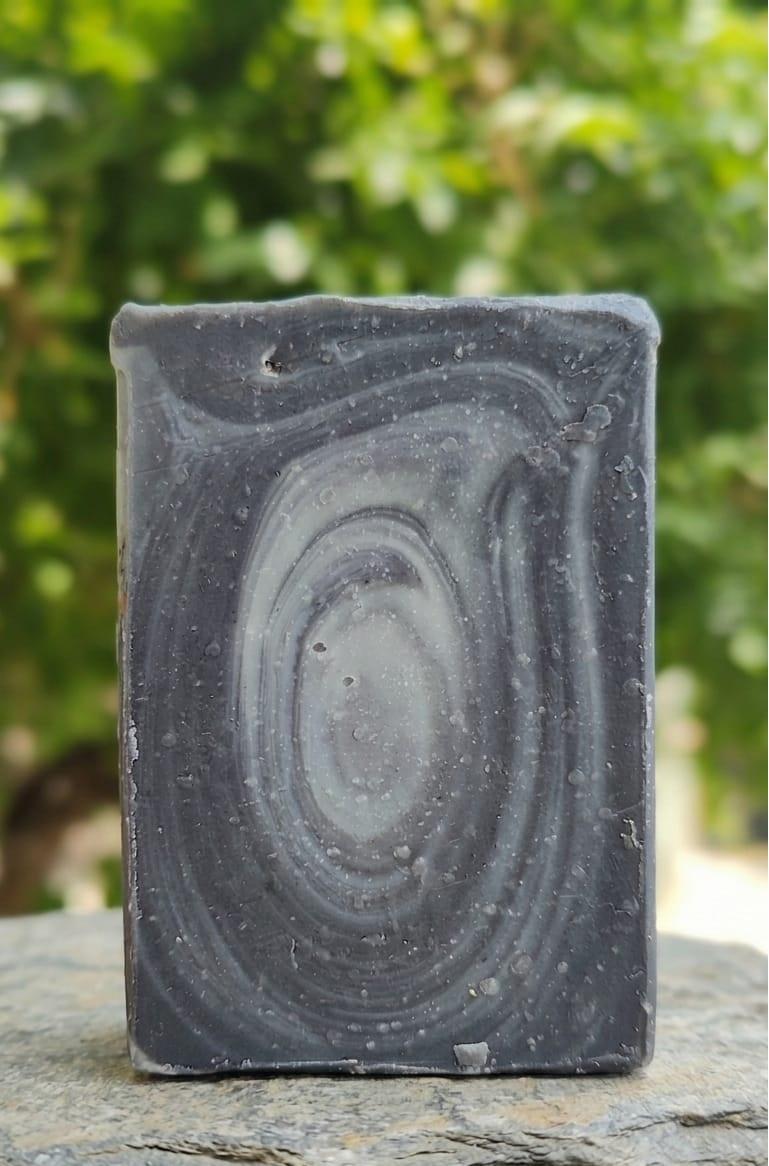
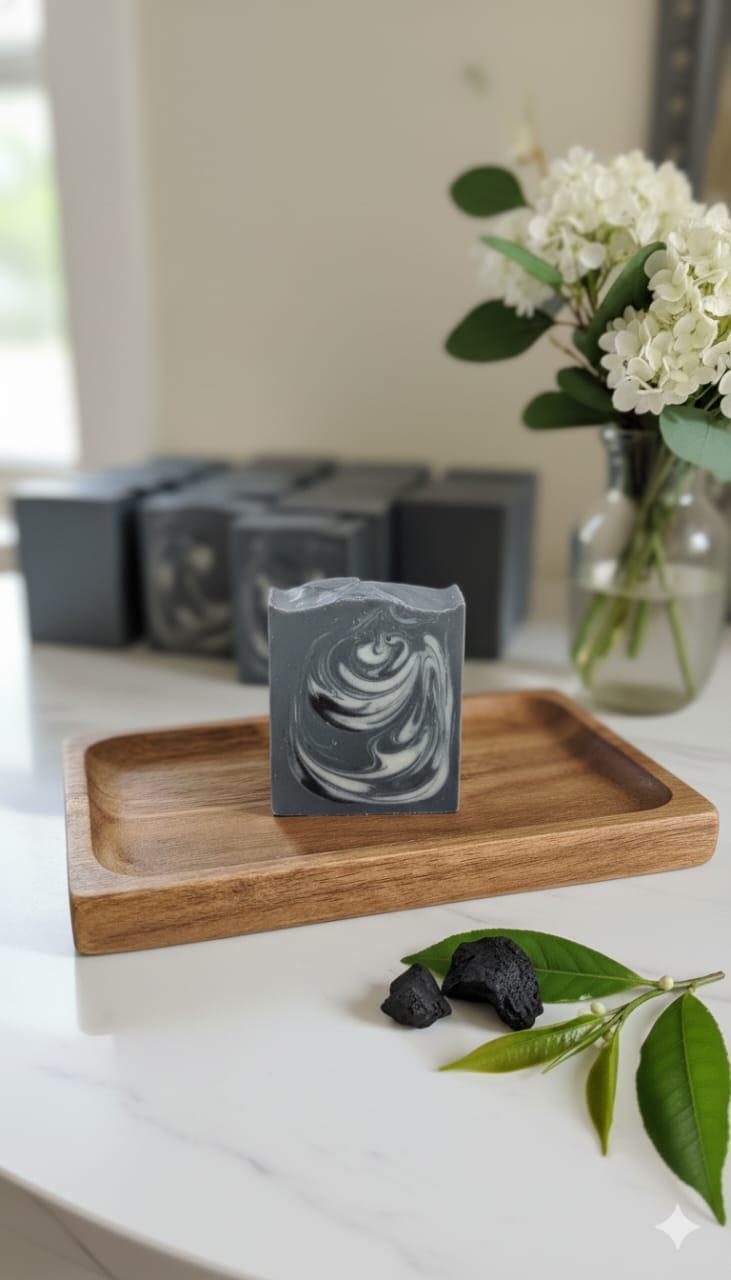
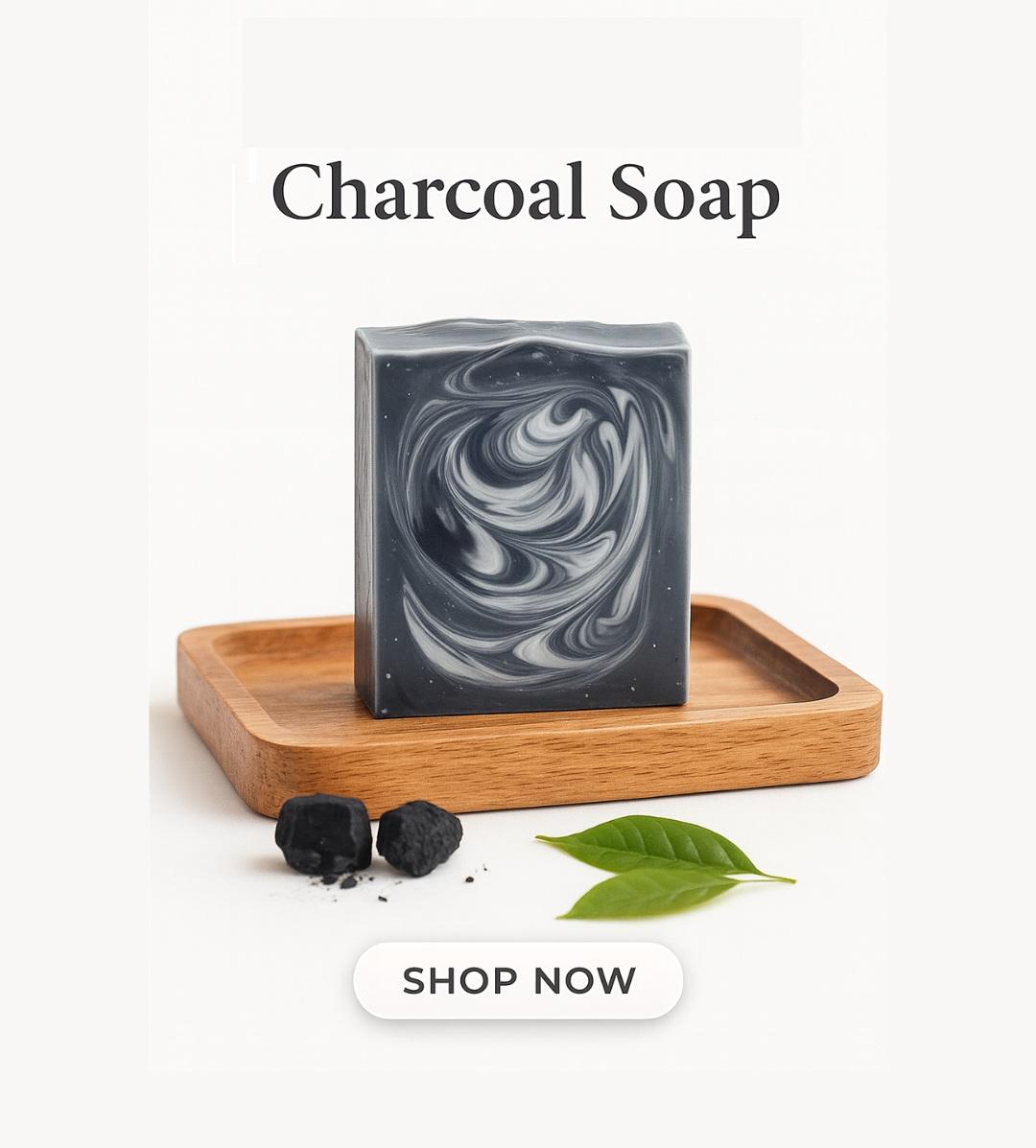
Bathslice ACTIVATED CHARCOAL SOAP | Cold Processed Activated Charcoal Soap | Enriched with Tea Tree Oil | Deep Cleanser | For Oily to Normal Skin
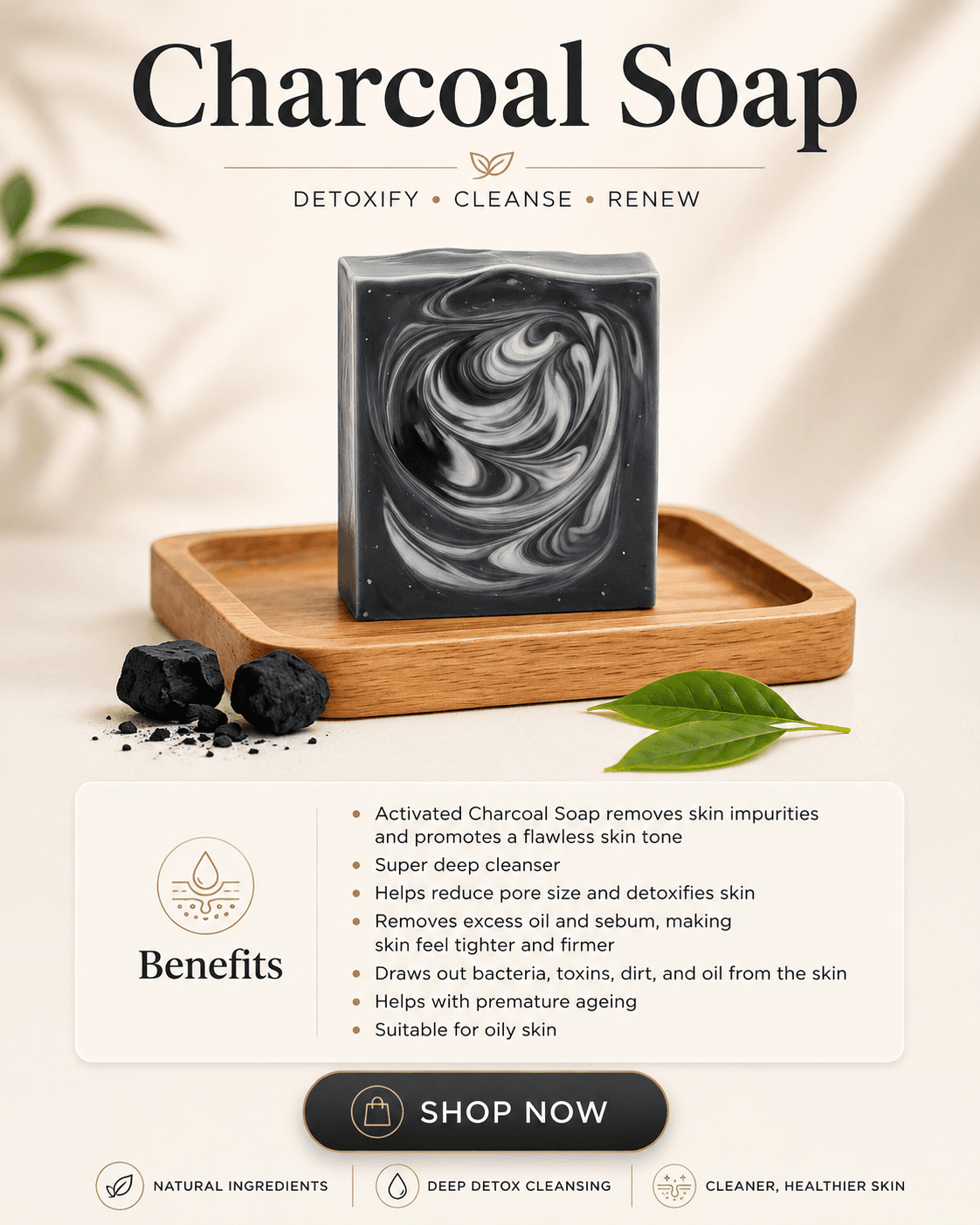
Activated charcoal soap with tea tree essential oil; positioned as a deep cleanser for oily skin.
₹230
Choose a Quantity
Product Information
Removes impurities; deep cleanses; helps reduce pore size; detoxifies; removes excess oil/sebum; makes skin feel tighter/firmer; supports oily skin; tea tree oil helps with acne/breakouts.
Activated charcoal; tea tree essential oil. Full base ingredient list not provided on the page.
No detailed usage instructions found on page. Standard soap use: lather on wet skin and rinse.
Brand Information

Customer Feedback
Write a Review
Understand What You Use
Clean Skincare FAQs
Understand clean beauty claims, ingredient transparency, product safety, and how to make more informed skincare choices.
Clean skincare generally refers to products formulated with a focus on ingredient transparency, safety, and conscious formulation choices. However, there is no single universally accepted definition of clean skincare, so it is important to check how each brand or retailer defines the term.
No. Clean skincare and natural skincare are not necessarily the same. A clean product may contain both naturally derived and carefully selected synthetic ingredients, while a natural product may focus mainly on ingredients sourced from plants, minerals, or other natural sources.
No. Organic skincare generally refers to products containing ingredients grown and processed according to organic standards. Clean skincare is a broader concept that may focus on ingredient transparency, formulation choices, safety, sustainability, or other criteria.
No. Everything around us, including water, plant oils, minerals, and botanical extracts, is made of chemicals. The term chemical-free is therefore scientifically inaccurate. A better approach is to understand which ingredients are used, why they are included, and whether they are suitable for your skin.
No. Synthetic ingredients are not automatically harmful, just as natural ingredients are not automatically safe. Ingredient safety depends on factors such as concentration, formulation, purity, intended use, and individual sensitivity.
Look for a complete ingredient list, clear product claims, transparent manufacturer information, relevant certifications where applicable, appropriate usage instructions, and explanations of why key ingredients are used. Avoid relying only on words such as clean, green, pure, or toxin-free.
Clean skincare formulations may include plant oils, botanical extracts, butters, clays, hydrosols, humectants, antioxidants, gentle surfactants, and carefully selected preservatives. The exact ingredients depend on the product type and intended function.
Not necessarily. Water-based skincare products generally require an effective preservation system to reduce the risk of microbial contamination. A properly formulated preservative can be important for product safety and stability.
Fragrance-free products may be preferable for people with sensitive or reactive skin, but fragrance itself is not automatically unsuitable for everyone. Essential oils and natural fragrances can also cause irritation in some individuals.
It can be, but the clean label alone does not guarantee suitability. Sensitive skin can react to essential oils, botanical extracts, fragrances, active ingredients, or even commonly used natural ingredients. Patch testing is recommended.
Yes. Natural ingredients such as essential oils, citrus extracts, certain herbs, nut oils, and botanical fragrances may cause irritation or allergic reactions in some people.
Not necessarily. Product effectiveness depends on the overall formulation, concentration of active ingredients, stability, compatibility with your skin, and consistency of use. A clean label by itself does not guarantee better results.
Some products may have a shorter shelf life depending on their formulation, packaging, preservation system, and storage conditions. Always follow the expiry date and period-after-opening instructions.
Store them in a cool, dry place away from direct sunlight, excess heat, and humidity. Keep containers closed properly and avoid introducing water or unclean fingers into jars.
No. Sustainable packaging and clean formulation are separate considerations. A product may use recyclable or plastic-free packaging but still contain ingredients that do not fit a particular clean beauty standard.
Non-toxic is often used as a broad marketing term and may not have a standard definition. Rather than relying on the claim alone, review the ingredient list, intended use, concentration, safety information, and supporting evidence.
No. Ingredient names can sound complex because cosmetic labels often use standard INCI names. A difficult-to-pronounce ingredient is not automatically harmful, just as a familiar-sounding ingredient is not automatically safe.
Read the complete ingredient list, understand your skin type and concerns, review product claims critically, check relevant certifications, look for transparent brand information, and choose products based on formulation rather than marketing language alone.
“Clean” does not have one universal definition. Evaluate products based on their complete formulation, transparency, suitability for your skin, and verifiable product information.


SUBSCRIBE
Be the first one to get the latest news about trends, promotions and much more!
Powered by Razorpay

